
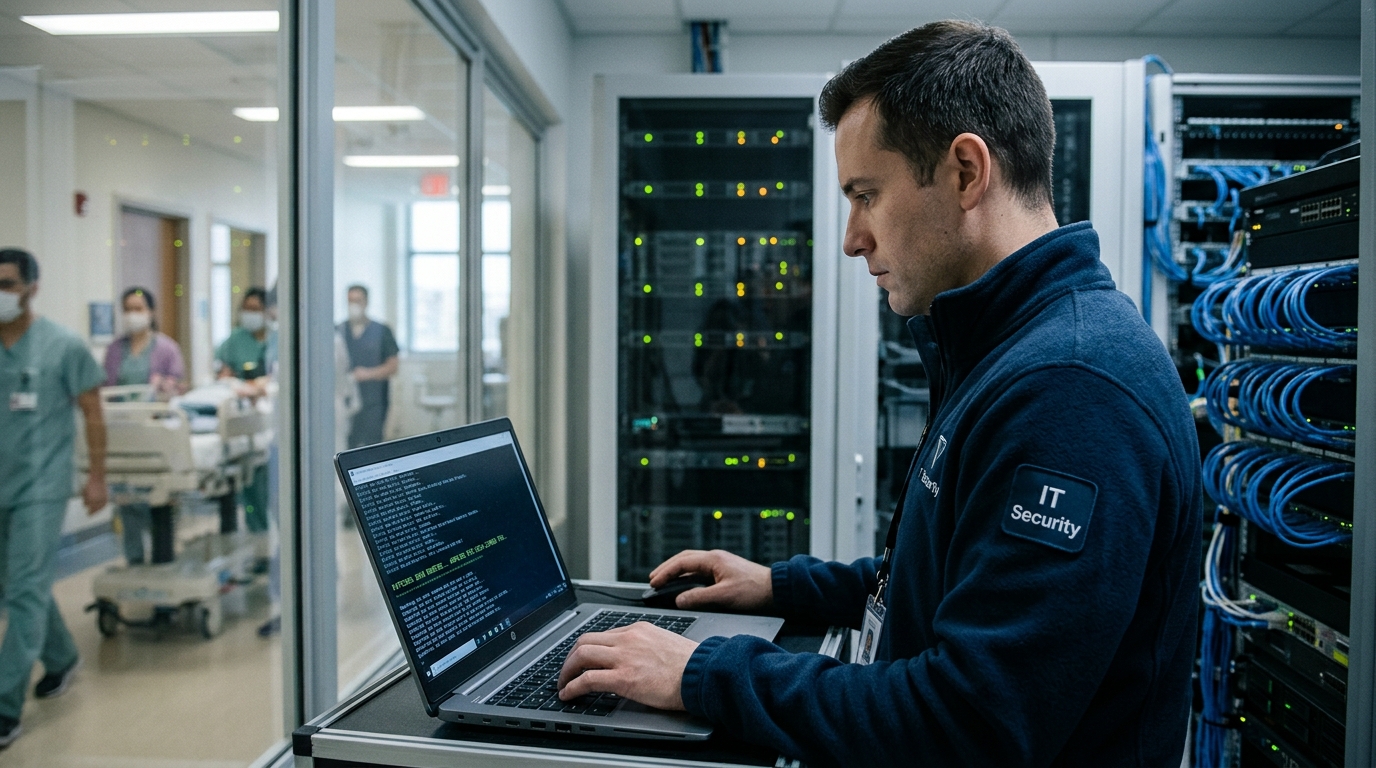
When a critical flaw surfaces in the runtime that powers a huge share of enterprise software, the first responders are IT teams. The long-term beneficiaries are investors who already hold the companies that keep those systems clean.
CISA is urging organizations to immediately patch CVE-2026-114938, dubbed Java4Shell, a memory-corruption vulnerability in the Base64 decoder used by the HotSpot Java Virtual Machine that can crash the JVM and, under certain conditions, allow unauthenticated remote code execution. Research firm Calif assigned the flaw a CVSS 4.0 score of 9.2. Oracle fixed it in its November 17, 2026 Critical Patch Update, and other major Java distributions issued fixed builds after the disclosure.
One security researcher told Newsweek that Java4Shell “exposes a fundamental weakness in the digital infrastructure that banks, hospitals and governments depend on every day,” warning that a successful exploit could interfere with clinical systems or patient information at hospitals. US health networks are scanning internal networks, medical devices and internet-facing systems for affected Java and patching as fast as they can. The American Hospital Association said it is not aware of any effect on hospital operations beyond putting defenses in place, and no breach linked to the flaw has been reported. The scramble is precautionary. The lesson is permanent.
CISA has called for immediate patching with internet-exposed systems at the top of the list, and the agency also advises hunting for Java installations embedded in third-party software, containers and appliances, warning that these may not be listed separately in asset inventories. That last point matters for investors: the hidden, embedded nature of Java means the patching surface is wider than most organizations initially realize, and finding it requires the kind of continuous monitoring platforms that purpose-built security vendors sell.
That is the investment case. Cybersecurity spending is projected to reach $244 billion globally in 2026, with low double-digit growth year-over-year, and the sector remains one of the more recession-resistant areas in technology because security spending is non-discretionary. Java4Shell does not create that trend. It confirms it, once more, in the starkest possible terms.
Palo Alto Networks (PANW) reported fiscal first-quarter results the same week the flaw was disclosed. Revenue increased 39% to $3.44 billion, with adjusted EPS of $1.05 beating the $0.97 estimate, and guidance for fiscal 2027 revenue moved up to $14.52 billion to $14.57 billion, implying 26% to 27% growth. When the sector leader raises guidance this much, investors read it as confirmation that security budgets are growing across the industry, not just at Palo Alto. CrowdStrike (CRWD) reports in early December, and in its most recent quarter it reported $332.8 million of net new ARR.
Neither company is cheap. CrowdStrike and Palo Alto shares have doubled or better since April, and CrowdStrike now trades at 168 times forward earnings against a three-year average of 106 times. That is a real risk for anyone initiating a full position today. The sensible approach is to treat both as core holdings built over time rather than trades to be sized all at once. A smaller position in SentinelOne (S) adds endpoint coverage at a lower multiple, though recent channel checks have flagged weaker momentum in its core endpoint business. Conviction here is lower.
Java4Shell will be patched. Hospitals will finish their audits. The next vulnerability will arrive, and the cycle will repeat. A Morgan Stanley survey of CIOs found cybersecurity budgets are expected to grow roughly 50% faster than overall software spending. That is not a headline trade. It is a structural allocation, and the best time to have made it was two years ago. The second-best time is before the next critical CVE lands.